Evolving Agents Labs is an
open-source lab for agents that learn how a team works — and can show what they learned.
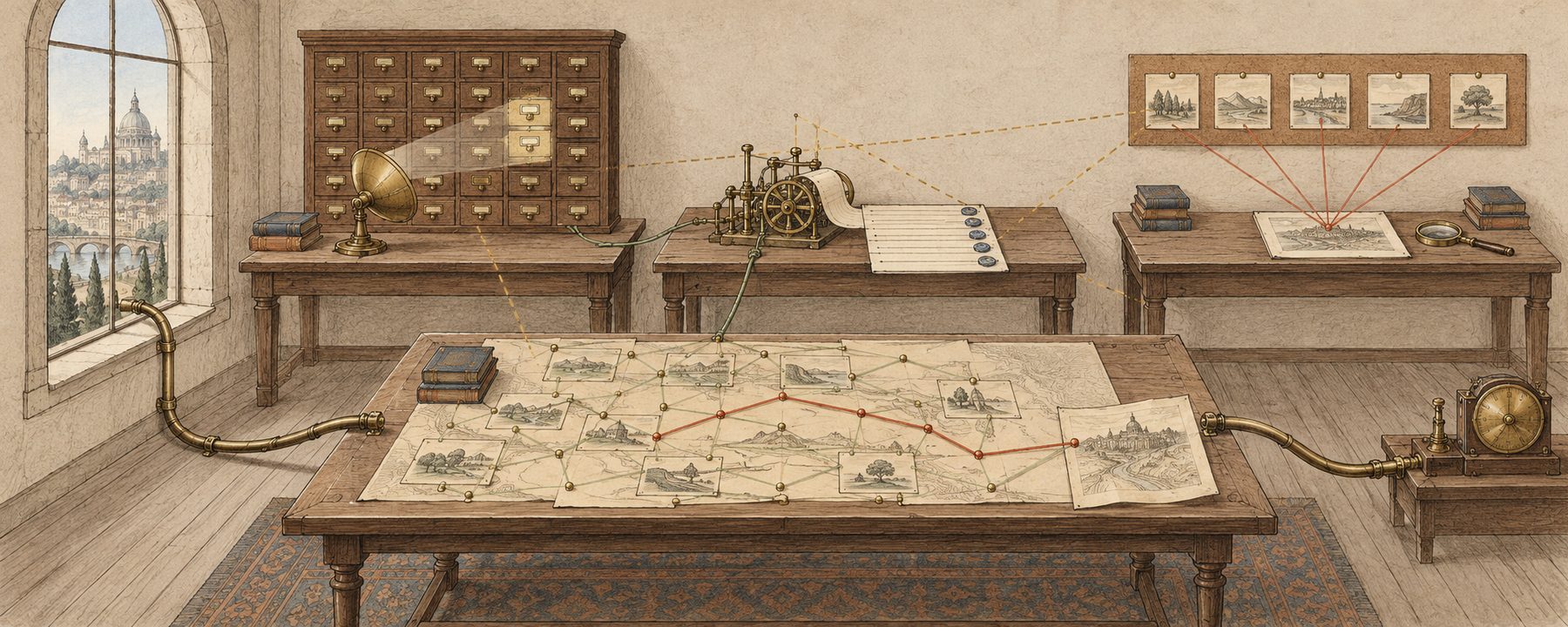
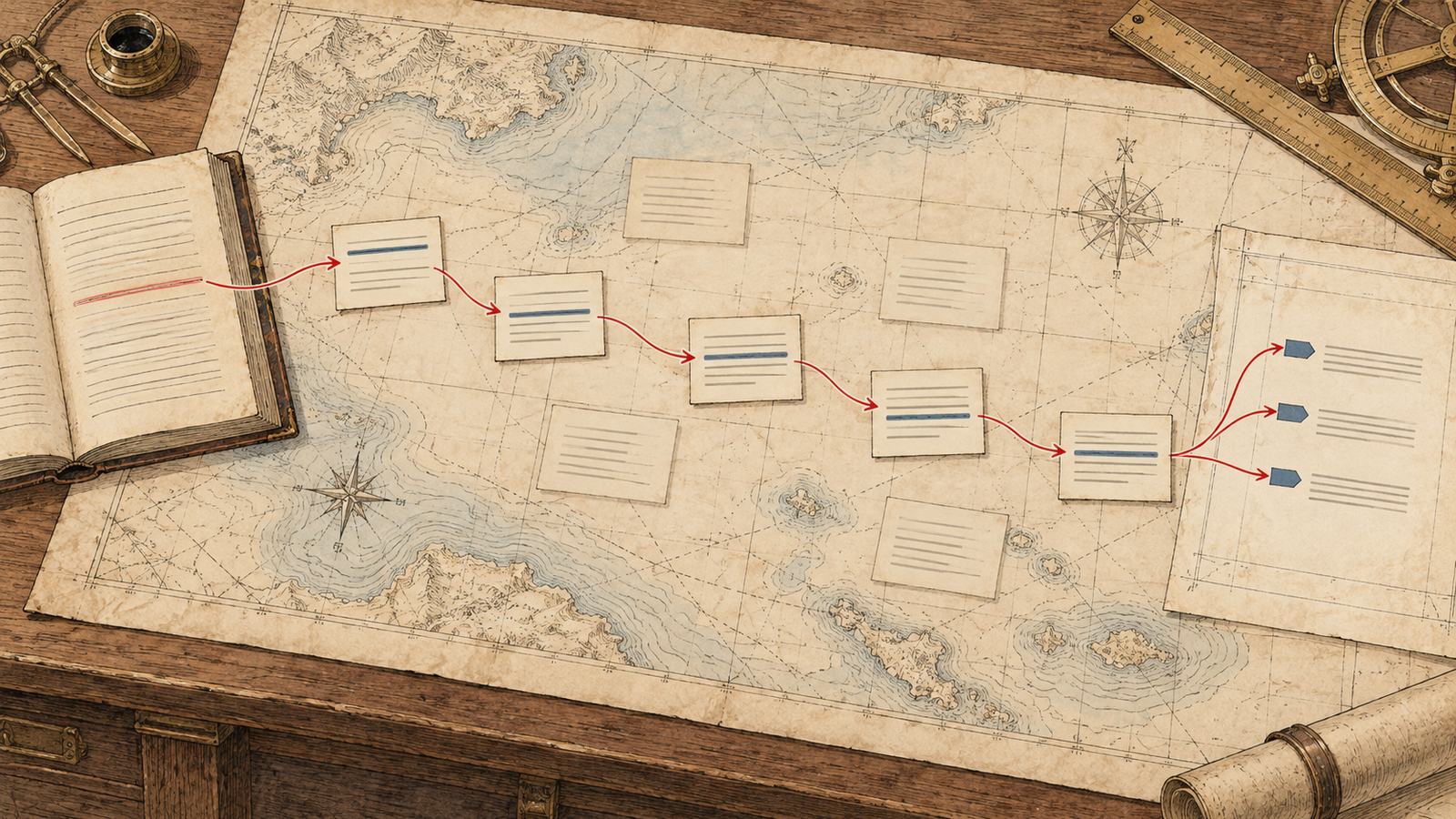
The director keeps the team’s way of working as a memory of small, linked statements, plans by
walking it, delegates each step to a frontier model or to local models, and learns from every task.
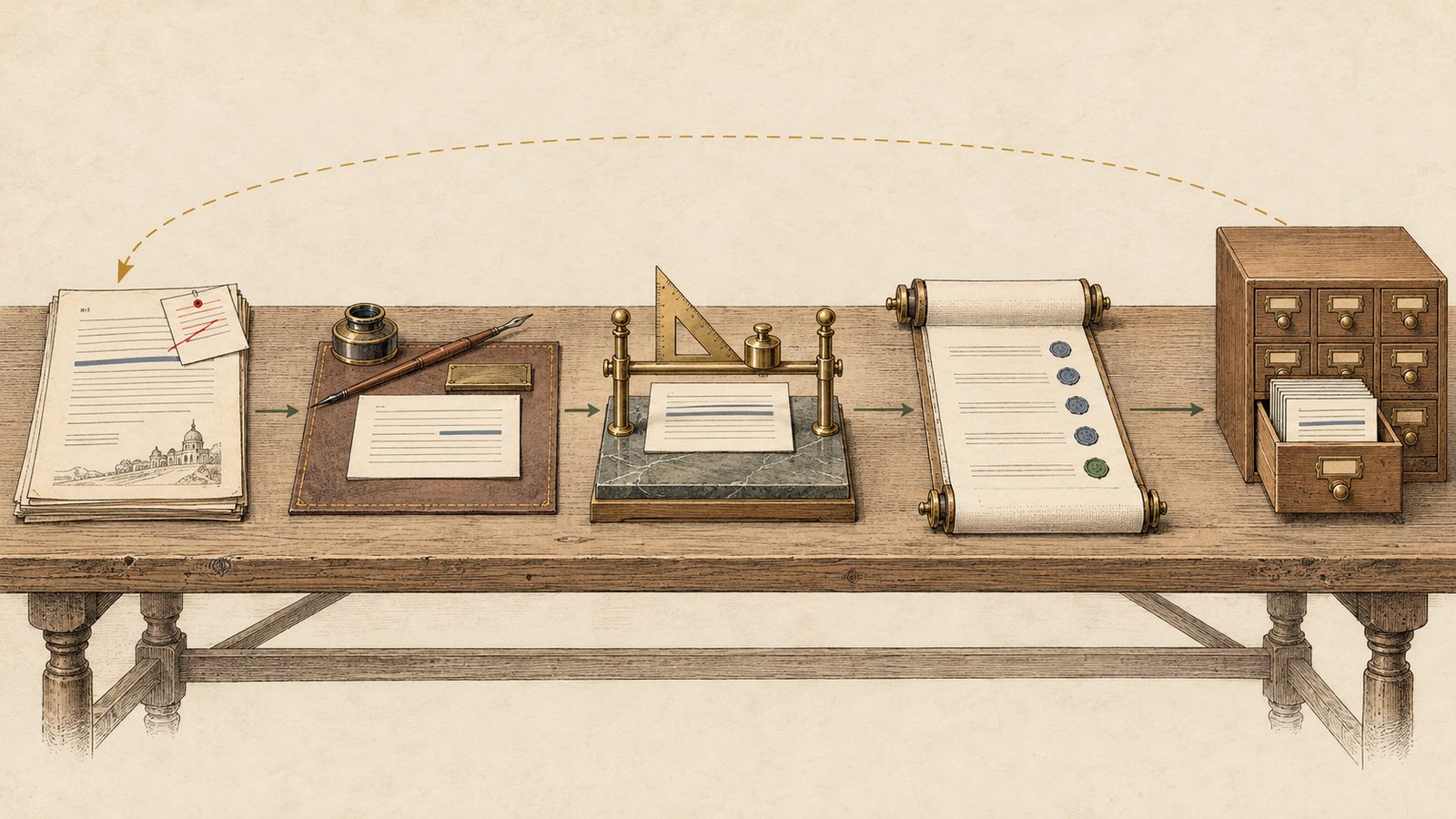
lora-kernel serves small local models as trained specialists. agentvcs versions and merges
the harness those models run in, and attributes each change in a result to the change that caused it.
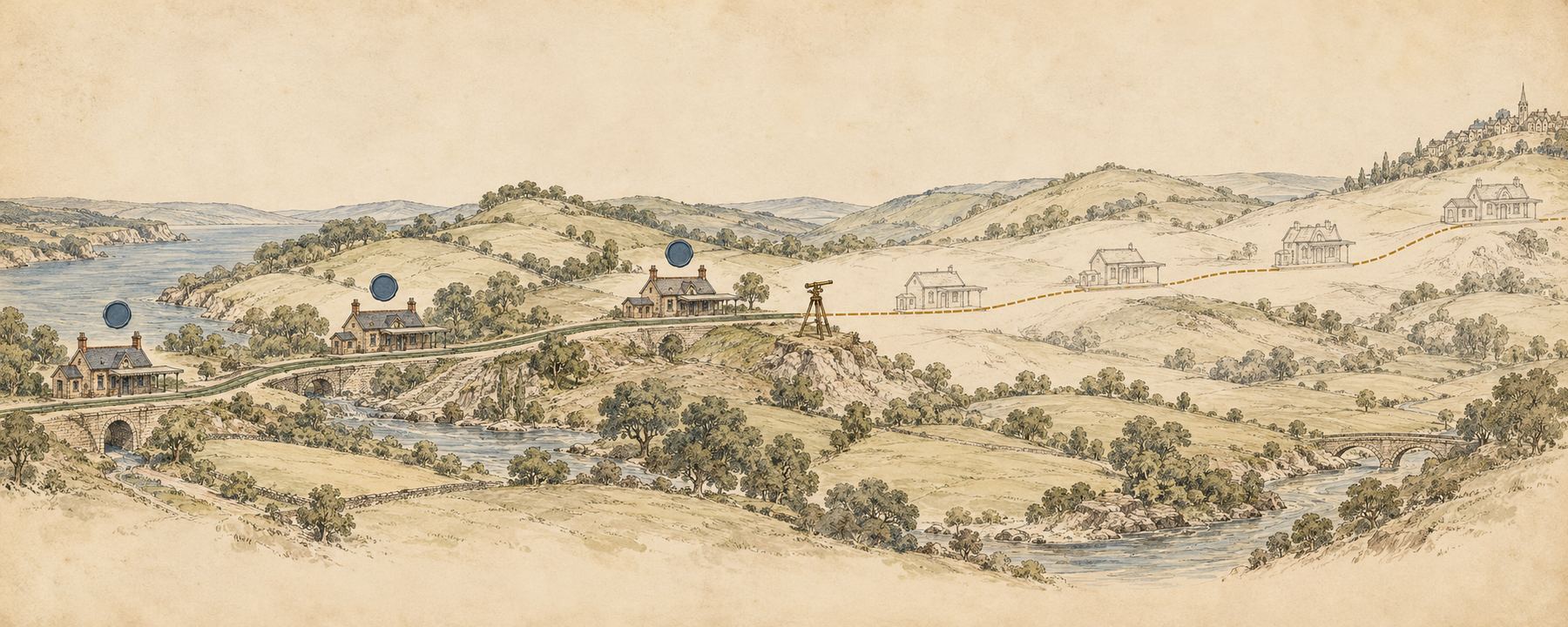
gene-evidence writes evidence reports on predicted genes in which every sentence cites its source. The idea
they share: what an AI system answers, changes or reports should be traceable to what produced it.
What is built and what is planned between them: how they connect.
Can an agent keep a team’s way of working as memory — and plan, delegate
and learn by it, so that each lesson is checked before it is kept?
active · D0–D16 · C0–C2 measured · director-bench next A meta-agent in
evolving-agents:
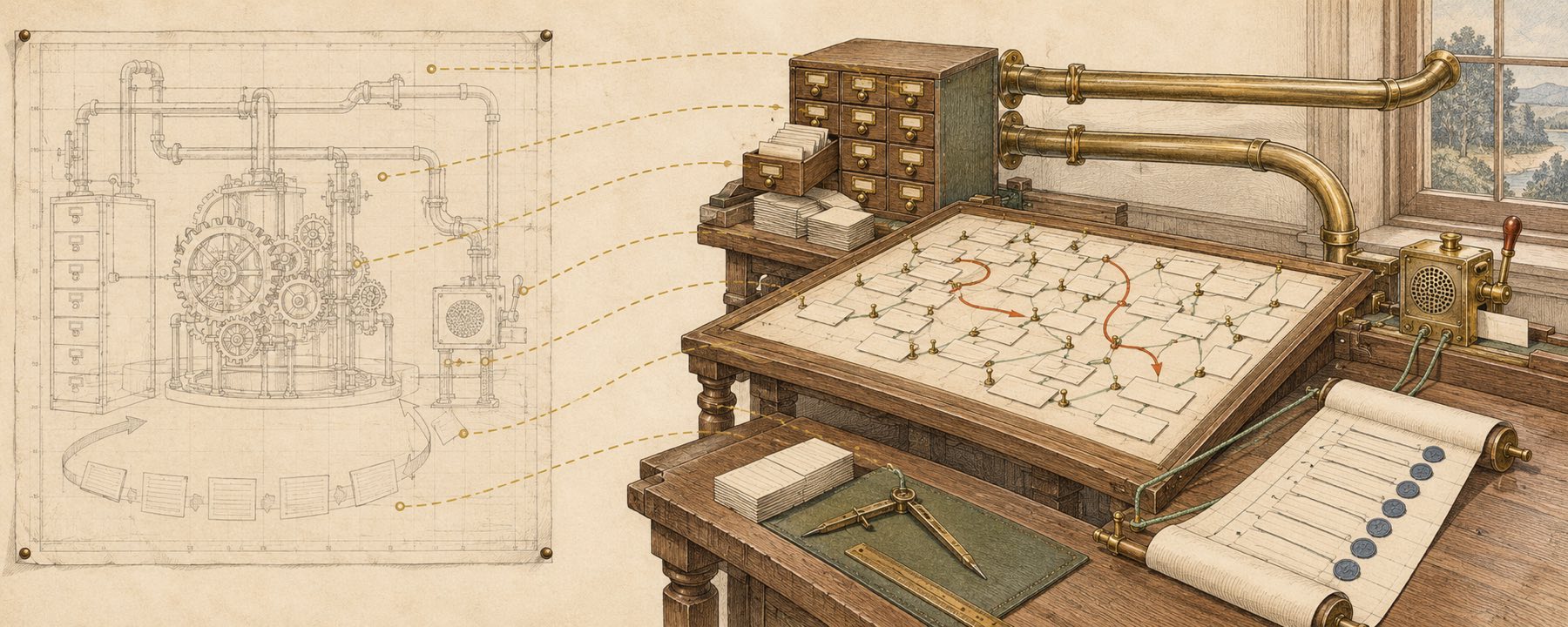
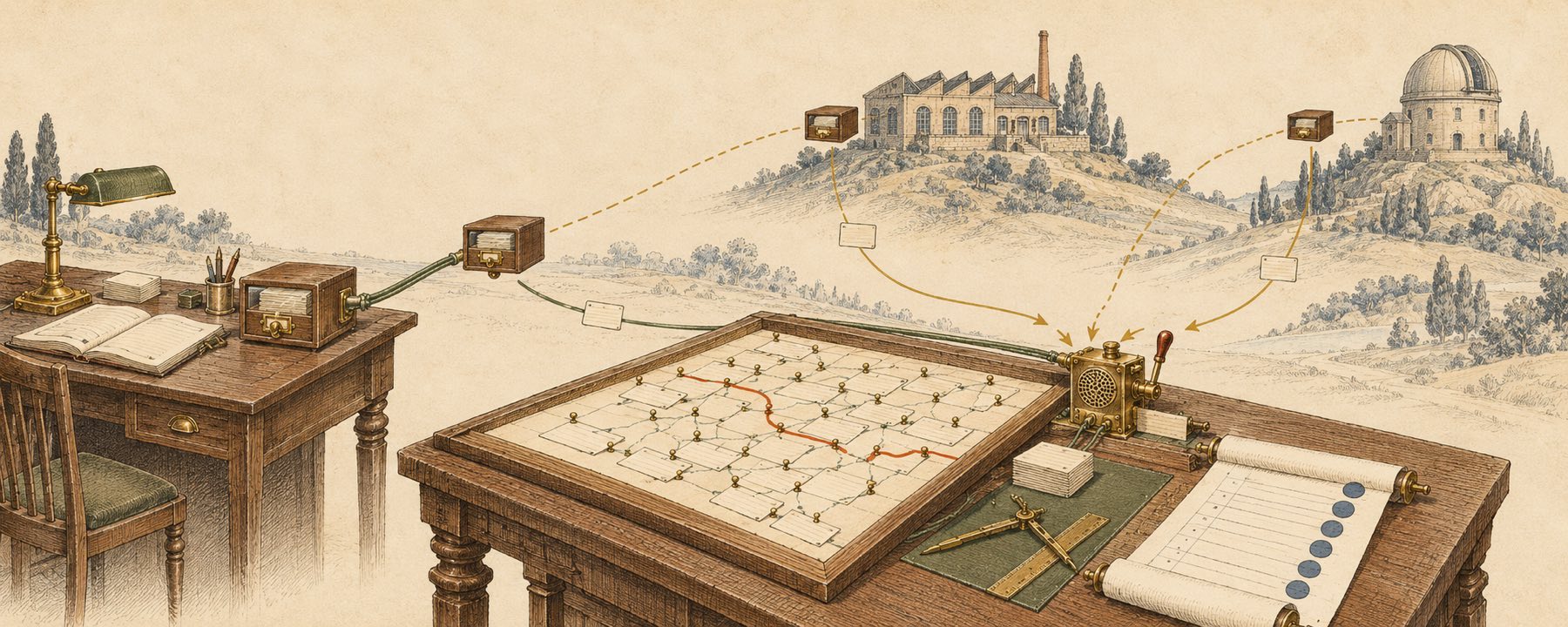
walks the operational memory to plan, hands each step to Claude Code or to a local model, learns from
each task and from where the user moves work.
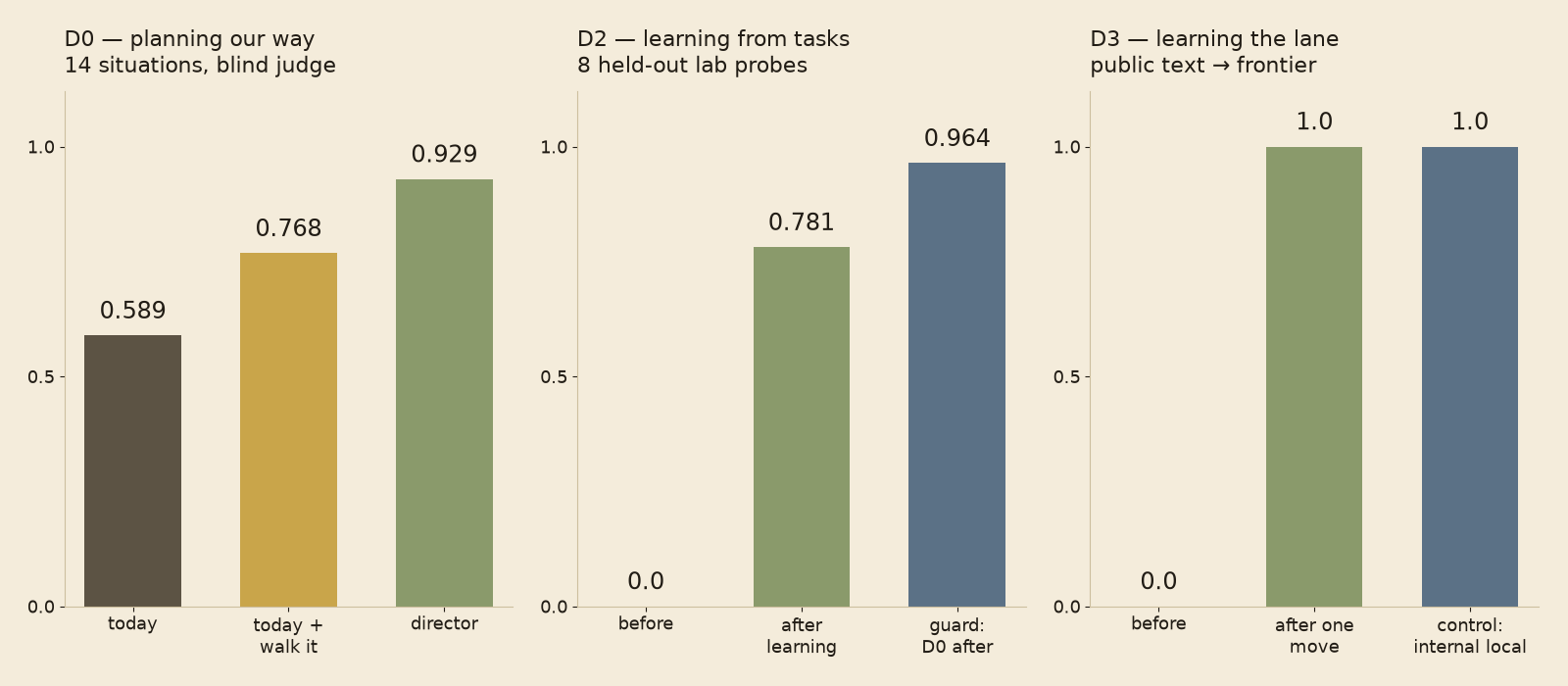
Built: the loop and its local interface, learning sealed as agentvcs patches
(measured); its local lane through lora-kernel’s specialists, run live once
(D4).
Not yet: reliable abstention on that lane outside the phrasing it was measured on; no write access by default.
Why it matters: the rules a team writes down are not the ones it follows
under pressure. If it works, the way of working is recalled at the moment it applies, and every new
lesson is a reviewed, reversible change instead of a line in a file nobody rereads.
Can one small local model, given a trained specialist per job and a library of
notes it has learned to navigate, do an organisation’s routine work — and hand the rest
to a frontier model?
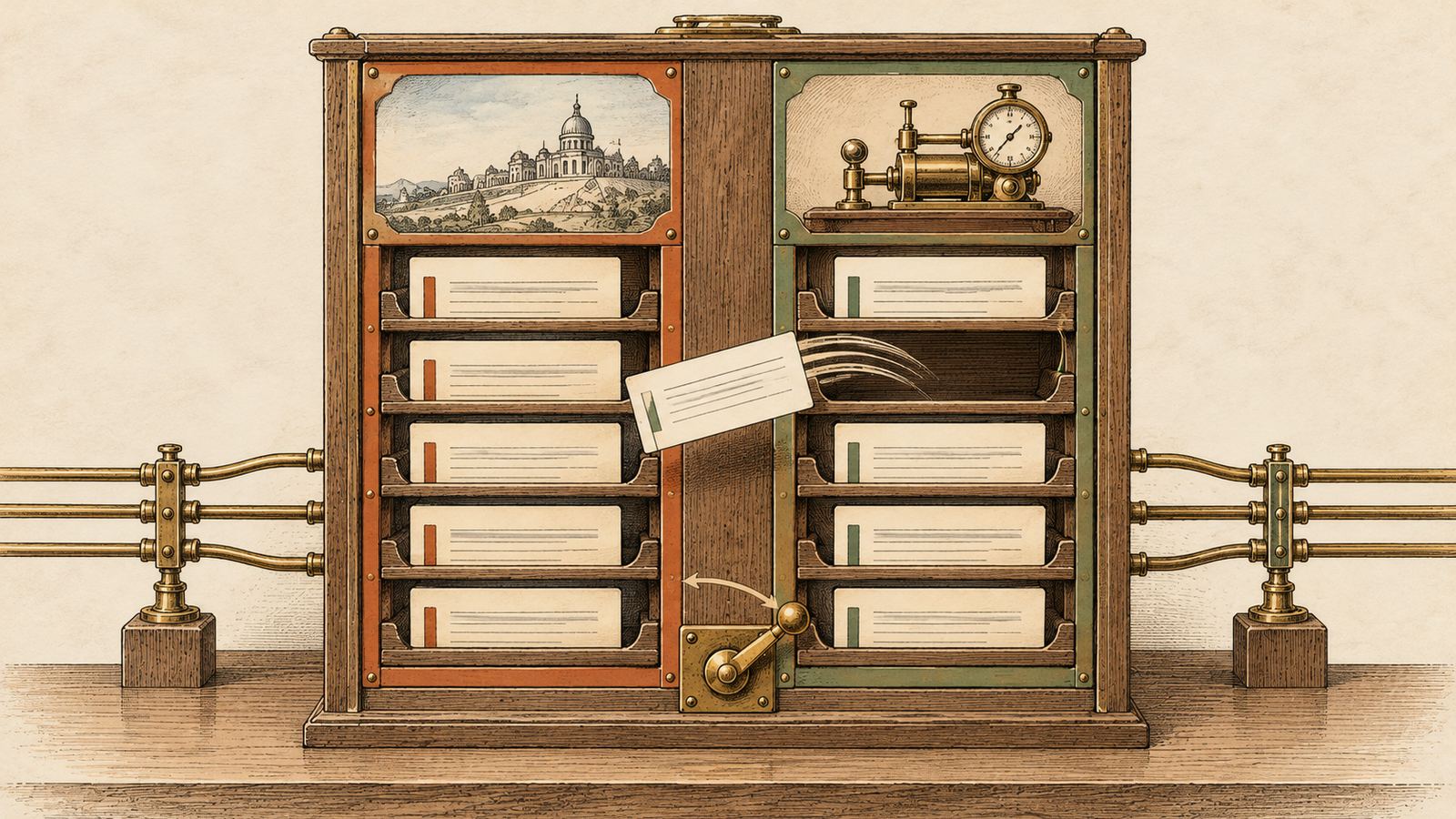
active · flagship An operating layer for
specialized local AI agents: one resident model, a LoRA per job, facts in notes a person can edit,
a router that abstains.
Built: specialists that beat the bare base on their job, a router that serves
no foreign text locally, edits answered without retraining — measured.
Not yet: no installable package, no real traffic.
Why it matters: if it works, an organisation’s routine AI work is
served from one small local GPU — private, cheap to run, its facts in notes a person can
read and edit — and only the rest is sent to a frontier model. The saving is not measured yet.
When an agent’s harness changes while it runs, can every result still be
traced to the change that caused it — and can two diverging harnesses be merged on the
evidence?
active · Rust core v0.1 Version control for
agent harnesses: every step stamped with the harness version that produced it, patches gated,
blame per metric, and a three-way merge whose real conflicts go to Claude Code —
its only LLM.
Built: the Rust core, CLI, MCP server and Python SDK; attribution on a real
model (below). Not yet: no PyPI package; no real Claude Code merge
session recorded in the repository.
Why it matters: harnesses now change while agents run — a prompt, a
model, a router. If it works, you know which change moved which result, and two harnesses that
diverged are merged on evidence rather than by guess. Attribution has run on one real model.
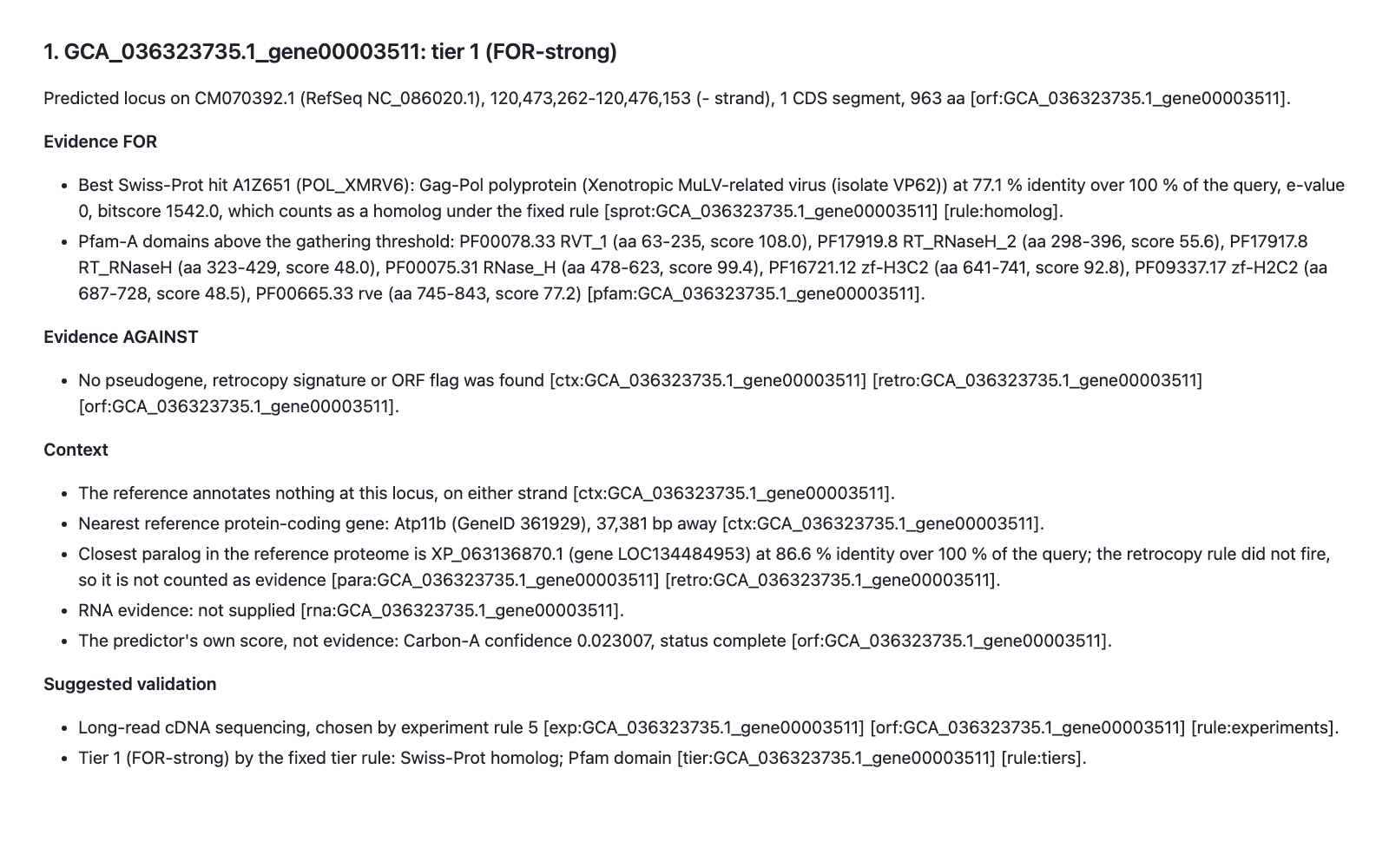
Can every sentence of a report on a predicted gene be traced to the tool output
it rests on?
prototype · stage 1 Auditable evidence
reports for gene predictions the reference annotation does not have: an evidence graph of tool
outputs, and a report that cites it in every sentence.
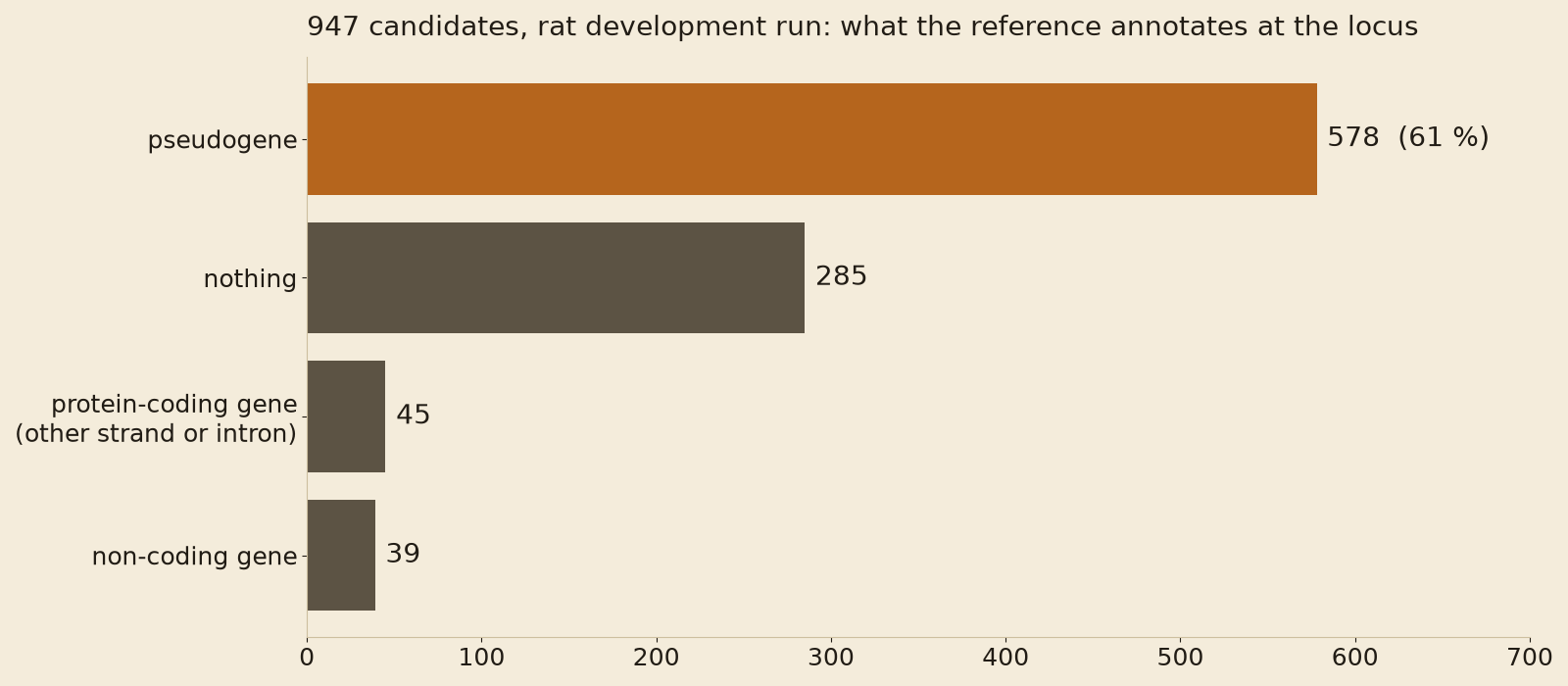
Built: stage 1, deterministic, no language model; a development run on rat.
Not yet: a model that drafts the report. Known limitation: it explains a candidate; it
does not pick which to validate first.
Why it matters: a wet-lab experiment on a candidate gene costs real money.
If it works, every claim in the evidence report can be checked against its source before that
money is spent. The checkable report is built; choosing what to test is not.